Collection
Uplines & Lock-Offs 101 (FREE)
 Gorgone
In this free shibari course, Gorgone teaches the most common methods for attaching a suspension upline onto a limb or a harness as well as how to lock it off safely.
This 10-video course covers basic anchoring techniques, upper and lower locks on rings and bamboos, various locks and finishing options, general safety advice and weight handling.
Please note the importance of practicing these techniques with heavy props or on yourself before suspending a partner. Start with partial suspensions and make sure to build automatism, flow and speed with your lines before doing full suspensions.
We recommend watching and practicing the videos in the right order. Suspensions should be monitored by a skilled spotter and never attempted or performed alone until your skills and experience are truly reliable.
*Captions available for this series: English
Show moreShow less
10 videos
 03:48
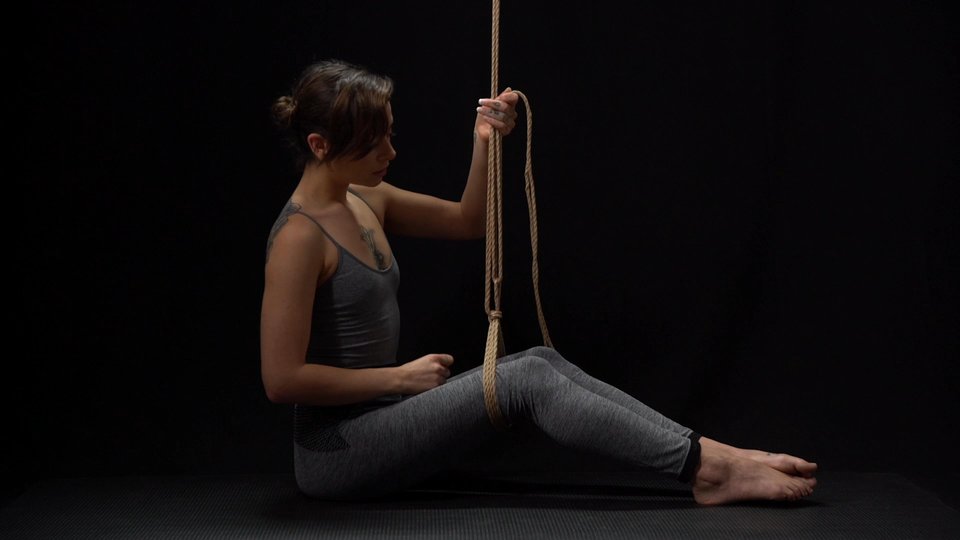
03:48Basic Anchoring
Basic line anchoring and double bite.
 02:51
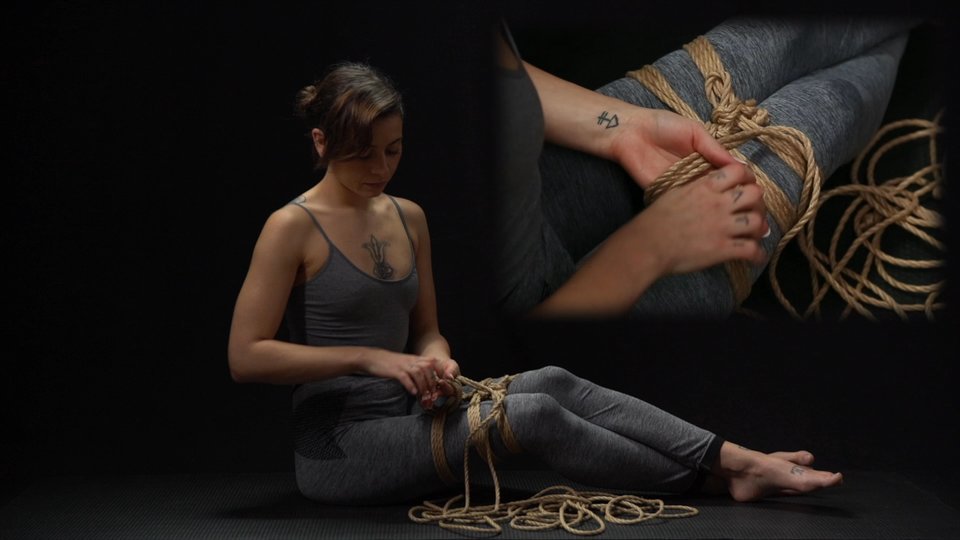
02:51Epsilon | 'Y' Hanger
Epsilon aka 'Y Hanger' line anchoring technique.
 02:51
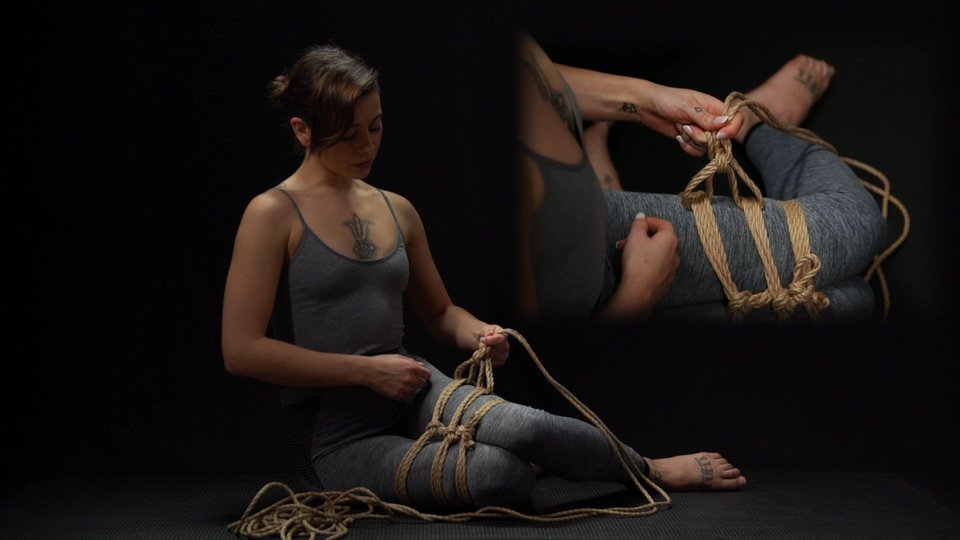
02:51Epsilon | Side Load
Epsilon line anchoring technique for side suspension.
 05:07
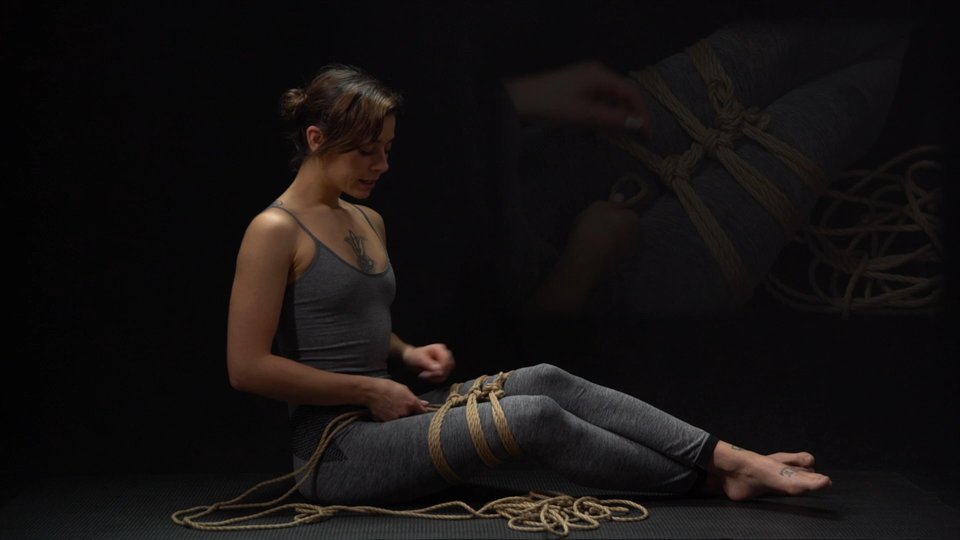
05:07Epsilon Extra Info
Extra information about the Epsilon line anchoring technique.
 08:28
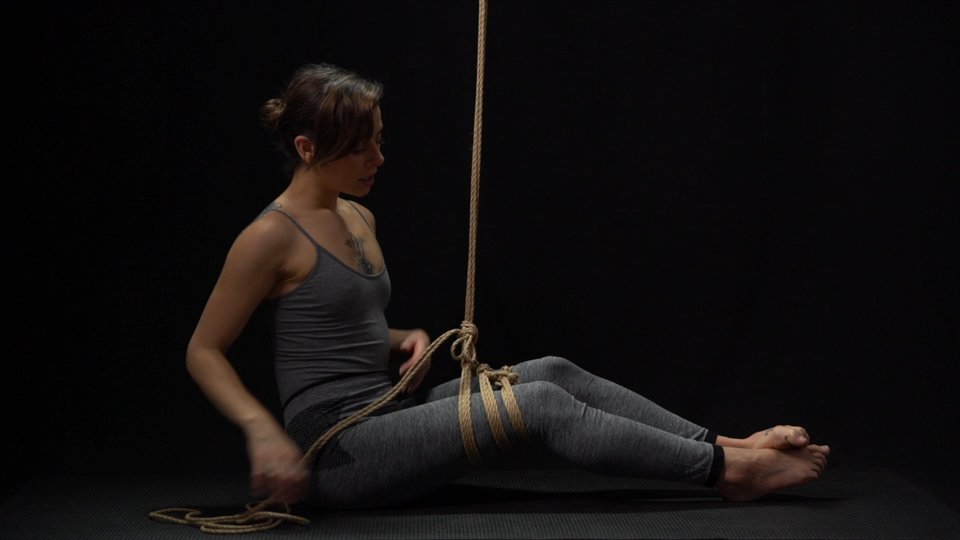
08:28Lower Lock-offs
Lower locks for suspension lines.
 02:27
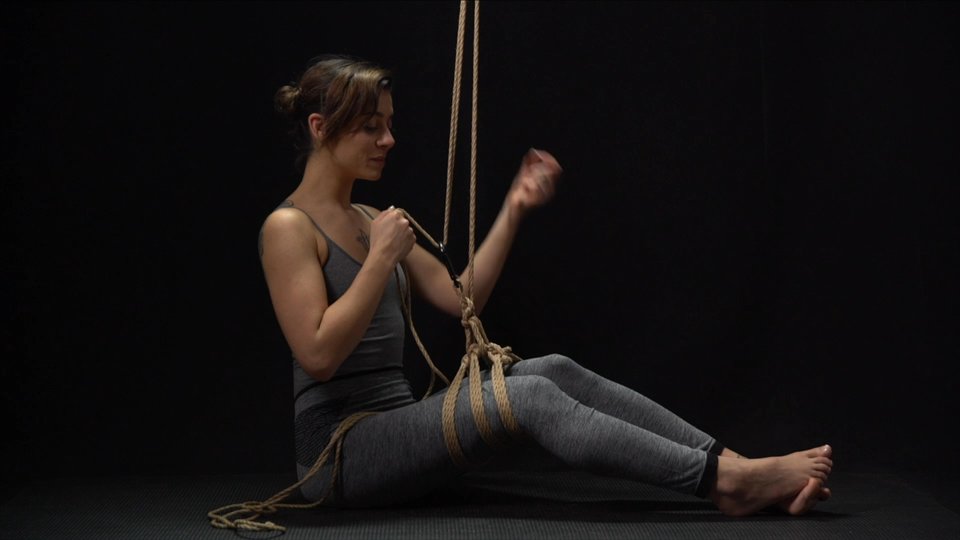
02:27Carabiner Lock-offs
Using a carabiner to reduce friction in a suspension line.
 05:59
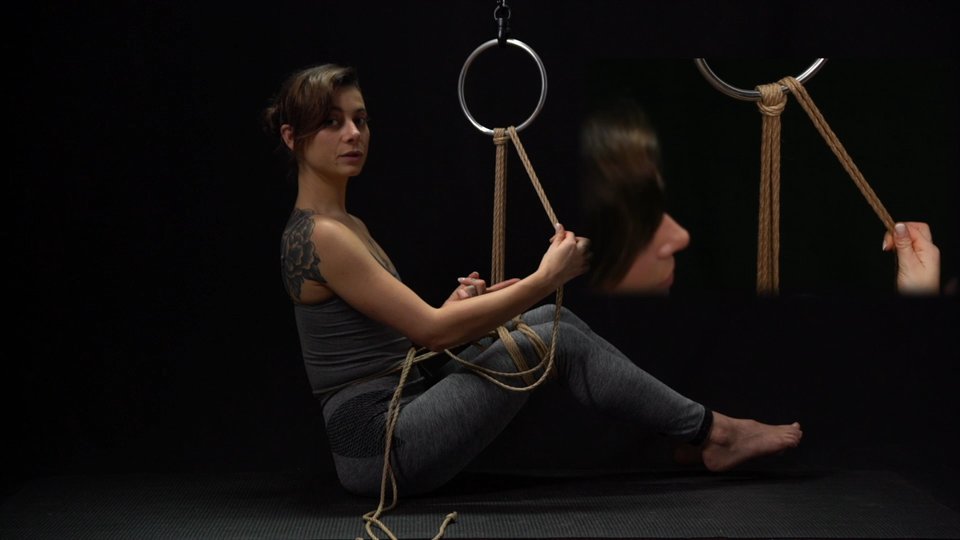
05:59Upper Lock-offs
Locking a suspension line from the ring's side.
 04:22
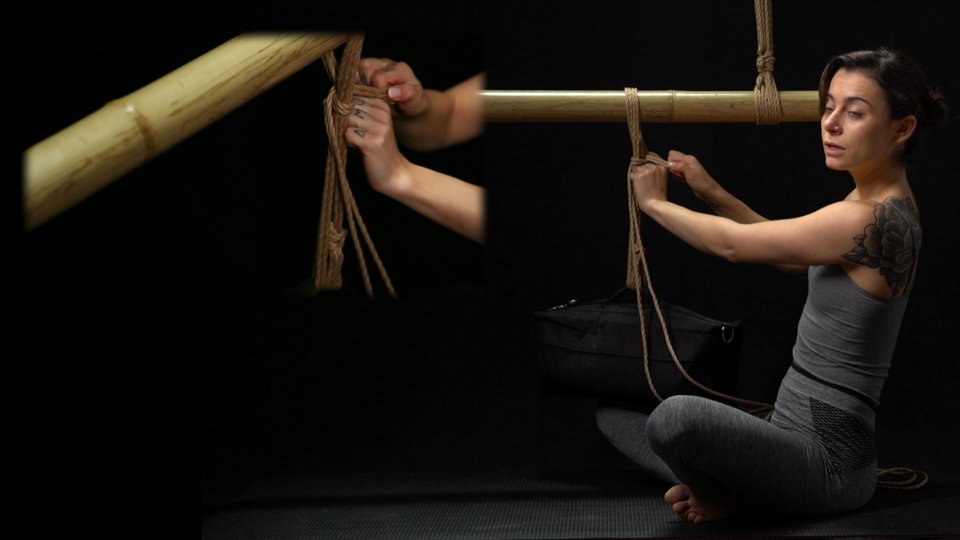
04:22Bamboo Lock-offs
Locking a suspension line on a bamboo.
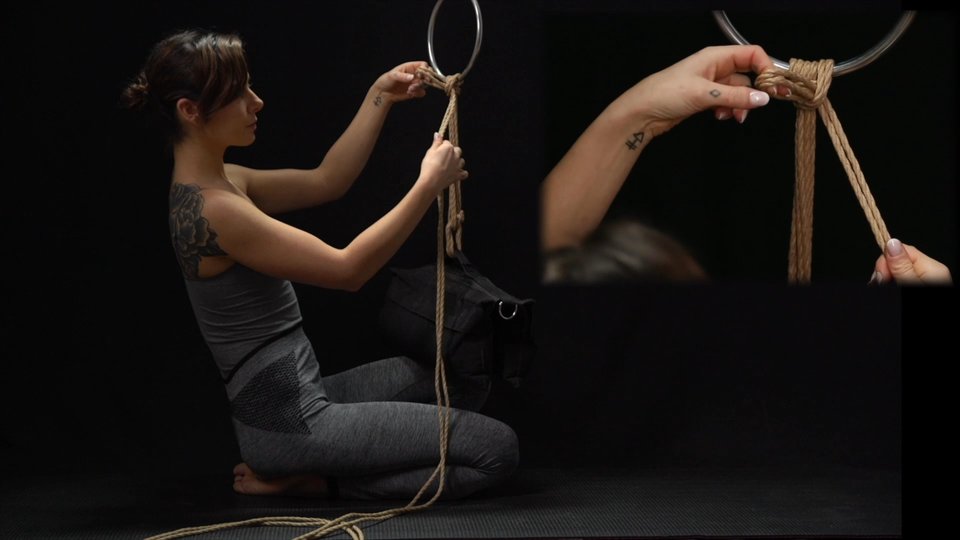 11:49
11:49Lock-offs and Finishing Options
Explanation and demonstration of various locks and finishings on a suspension line.
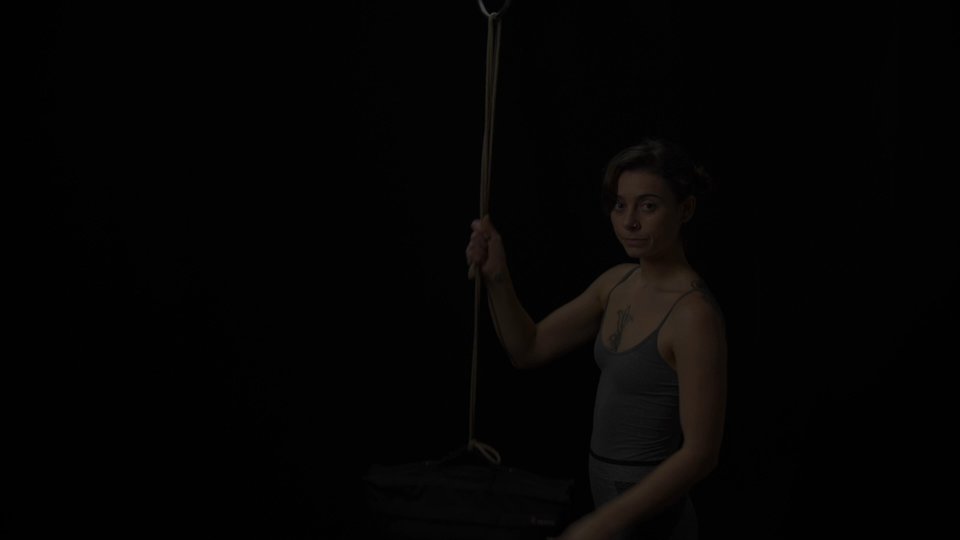 10:56
10:56Weight Handling
Basic weight handling with a suspension line.
Comments on collection (10)
Ryan N P.August 23, 2020
Would it be safe to use 5.5 mm Tossa jute, for suspension harnesses and uplines, with the intention of supporting a full body load? I have read that you want the rope to have a load weight of 5 times the load being suspended but I fear putting confidence in my rope because a flaw could make my suspension line snap. Is there such a thing as doubling up the upline? Could doubling up the upline get in the way if I need to cut the line? I prefer the feel of jute rope and would like to continue to use it for suspension however i'm not sure of the risk i might be taking using the weakest of the main rope types. Should i use hemp for suspension over jute. Would you recommend using a synthetic upline?Show replies (5)
Aria L.April 11, 2023
Most of my mentors/people in my area tend to use the 5-10x rating rule. That being said natural fibers like jute or hemp are never going to be rated to the average person and are thus seen as "unsafe". Although these natural fibers can be used, the load rating is never guaranteed as it changes per batch of rope, as well as potential flaws in the lay. My recommendation would be to (almost never, more blow) use these ropes for suspension.
There are many other synthetic alternatives, the most popular one being POSH. POSH can be dyed and typically fits in well with most natural rope color schemes (although will never be a perfect match). It is also machine washable which is nice!
For your "Critical Upline" you want to make sure this is POSH. This is the line that keeps your bottoms (or self) head and trunk off the ground. Secondary lines would be better off with POSH, however especially if the load is lighter you should feel free to use natural fibers (With discretion)
Anton (.September 1, 2023
Mixing two different kinds of rope in that way is totally fine :)ReanJune 1, 2023
Shibari Study is it ok to mix materials such as using natural jute for a hip harness and hempex for the main line? If you are doing this is it ok to connect the hempex upline direct or does this risk cutting the jute?
Anton (.August 24, 2020
This is a good question! We are glad that you are seeking advice before moving on to suspensions. Jute is safe to use for suspensions, however 5.5mm is a little bit fragile and could lead to a rope breakage. We would recommend using 6mm and making sure the ropes you use for the uplines are new and healthy. To be on the safer side, you can use hemp or hempex (synthetic rope) which are much stronger, especially if you are doing dynamic suspensions that will stress the uplines more. We hope this is helpful!Anton (.April 27, 2023
Thank you so much for sharing this! We really appreciate your insight on the topic and would love for you to share it with the community on our Discord server as well❤️ Have you joined the space yet?
HenkJune 2, 2022
HI gorgone:) Instead of your bamboo lock, can I also use your U lock here? Thank you for your time!Show replies (1)
Anton (.October 30, 2023
Thanks for your question! Using a U lock on bamboo isn’t recommended. The reason for this is: the purpose of the U lock is to help to stabilize the line and hold the weight of your model while you create additional locks. Doing a U lock on bamboo is ineffective, because the ropes are so far apart that the lock doesn’t introduce enough friction into the suspension line to hold your model’s weight. You’ll also find that, if you try to bend your rope tightly around the bamboo at the very top, the size of the bamboo will exert a pressure on your suspension line that makes the line want to pop open. This is counter to our goals. But bringing our ropes together a bit below the bamboo, we work with the ropes at a location where they are more amenable to being brought together and staying there.
andiAugust 24, 2020
I would like to know what the best method is to attach the ring to whatever I have on the other side, like in the seeling or a branch of a tree. I think I never saw to what your ring is attached to and how.Show replies (1)
Anton (.September 1, 2020
Hi Andi, we generally use climbing-slings for safety reasons. There are slings in various lengths which let you adjust the height of the ring freely. Also Fred Hatt is going to be teaching a course on how to attach your points safely next week (bamboo or ring). We hope this answered your question!


