Collection
Hand Checks (FREE)
 Fuoco
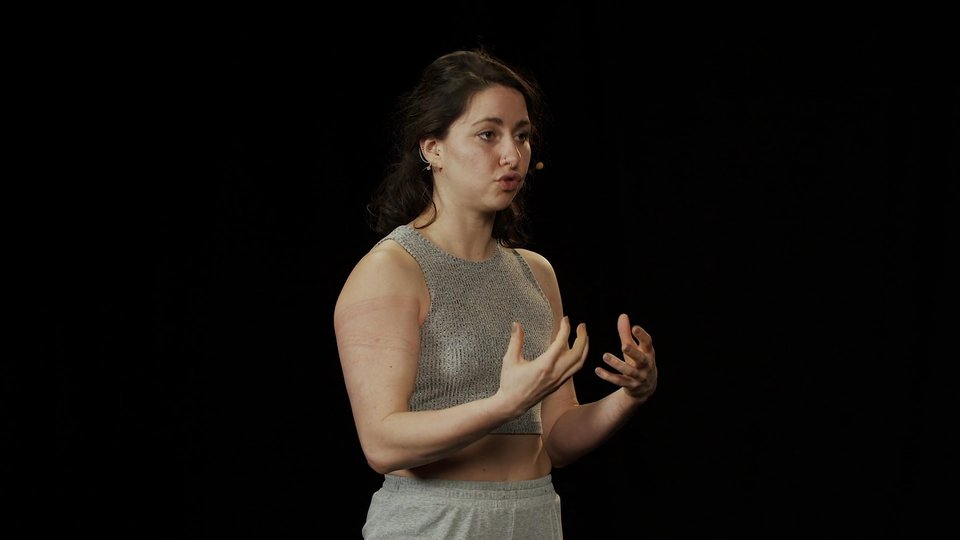
FuocoOne of the first things that we learn when starting with Shibari is that the bottom's hands should be checked for nerve or circulation related symptoms.
What do we mean when we say that bottoms should do "hand checks"?
What are the risks that we're assessing? How exactly can you check your nerves or circulation status during a tie and how to communicate it to your partner?
* Captions available for this series: English, Spanish
Show moreShow less

Comments on collection (3)
Michael I.March 8, 2020
What amount of response is required if one of these checks reveals an issue? How can I tell if I need to stop immediately and relieve all compression or if it's acceptable? I ask because my bottom gets a change in sensation with gentle pressure on either the thumb side of her wrist or the little-finger side of her forearm.Show replies (1)

Anton (.May 6, 2020
Unfortunately there is no general rule that can answer your question. This is a very personal decision that has to be made case-by-case, according to the specific situation and empirical experience of one's body in ropes. We would recommend that bottoms with little or no experience opt for the safer option and be untied as soon as the first symptoms of nerve compression appear. More experienced bottoms might choose to stay longer in a tie even after the first symptoms are showing, or ask for placement/tension/load adjustments rather than being fully untied. You should also make decisions on how to react to nerve related symptoms according to the estimated time needed to make adjustments or untie.

ennaOctober 14, 2020
Should be required viewing for all new riggers and rope models. Such important information and very clearly presented. We've incorporated these checks into all our tying so that it becomes second nature.
